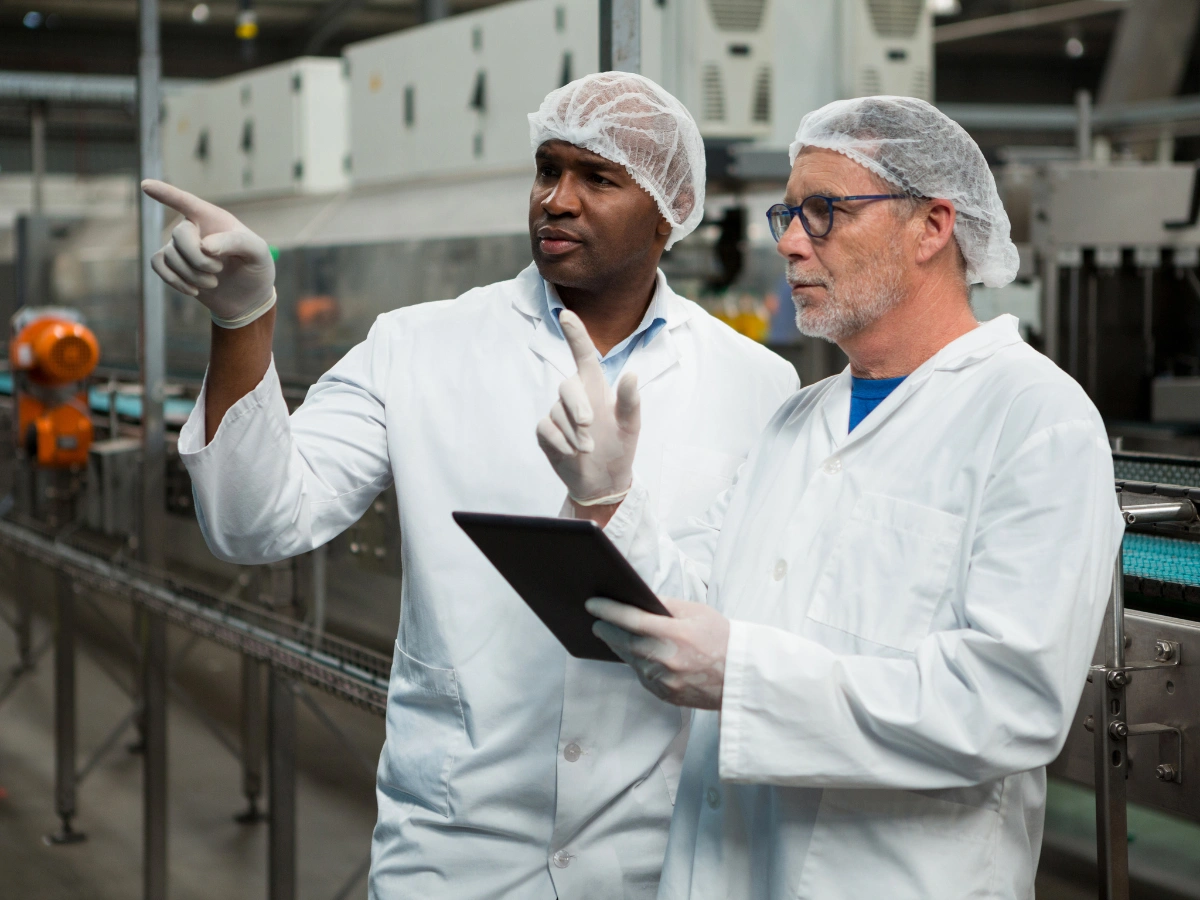
Pakistan has quietly become one of the most attractive destinations for third-party chemical manufacturing.
What was once a market known mainly for textiles and agriculture is now drawing the attention of global chemical, cosmetic, pharmaceutical and industrial brands.
The shift didn’t happen overnight.
It’s the result of strong capabilities, competitive pricing and a fast-growing manufacturing ecosystem that has earned the confidence of international companies looking to scale production without compromising on quality.
If you’re a brand exploring new manufacturing bases or simply curious about why Pakistan is suddenly on the global map, this breakdown will help you understand what’s driving the momentum.
A Strong Cost Advantage Without Cutting Corners
Every brand is under pressure to reduce production costs without hurting product consistency.
Pakistan checks that box better than many regional competitors.
Labour costs remain competitive, local material availability has improved and energy prices have stabilised in many industrial zones.
The key benefit is that the reduced cost doesn’t come at the expense of quality.
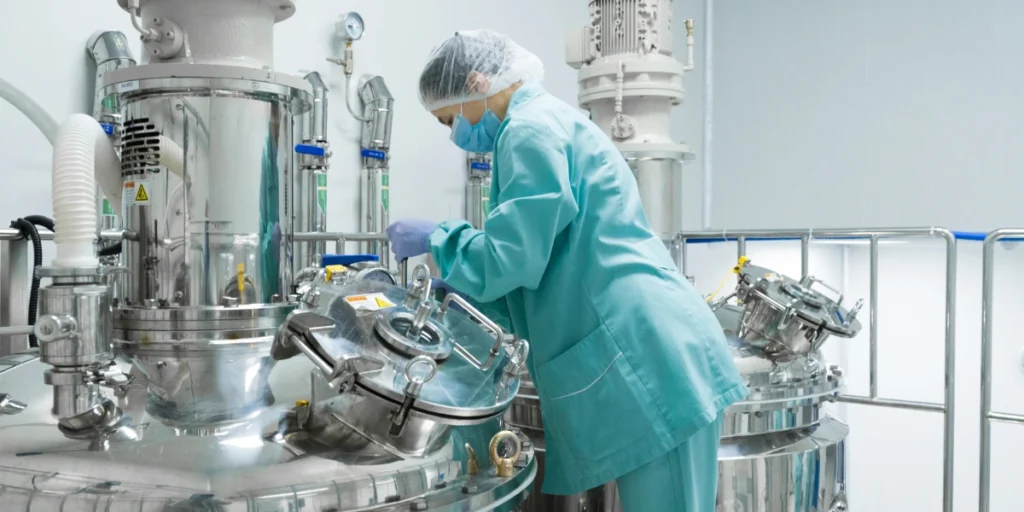
Manufacturers operating in the chemical sector have become more structured over the last decade and many now follow international standards.
This lets global companies maintain their margins while still delivering high-grade products.
A Rapidly Growing Chemical Manufacturing Ecosystem
Pakistan’s chemical industry has expanded into multiple segments, from household and industrial cleaning agents to personal care, lubricants and textile chemicals.
This growth has created an environment where factories understand niche requirements and can handle different chemical formulations with confidence.
Because many manufacturers specialise in specific fields, brands can easily find partners who already have the right infrastructure, machines and trained teams.
This reduces onboarding time and helps companies scale faster.
Access to Skilled Chemists and Technical Teams
One of the lesser-known strengths of Pakistan’s industry is its talent pool. Universities and technical institutes have been producing skilled chemists, lab technicians and process engineers.
Many of them have hands-on experience in formulation, R&D and manufacturing for local and international brands.
When you outsource to a third-party manufacturer in Pakistan, you’re often getting access not only to production lines but also to in-house labs that can help with product development, testing and compliance.
This added layer of expertise is a major reason global brands feel confident shifting production here.
Compliance With International Standards
In the past, one of the main concerns for foreign companies was compliance. Today, many Pakistani chemical manufacturers have certifications such as ISO, GMP and HACCP. Several factories produce for clients in the Middle East, Africa, Europe and Southeast Asia.
That international exposure has pushed companies to adopt strict quality management systems, detailed batch tracking and improved documentation.
The result is a more transparent, reliable and audit-friendly production environment. Brands can meet import regulations in different countries without struggling with compliance issues on the manufacturing side.
Easy Access to Raw Materials
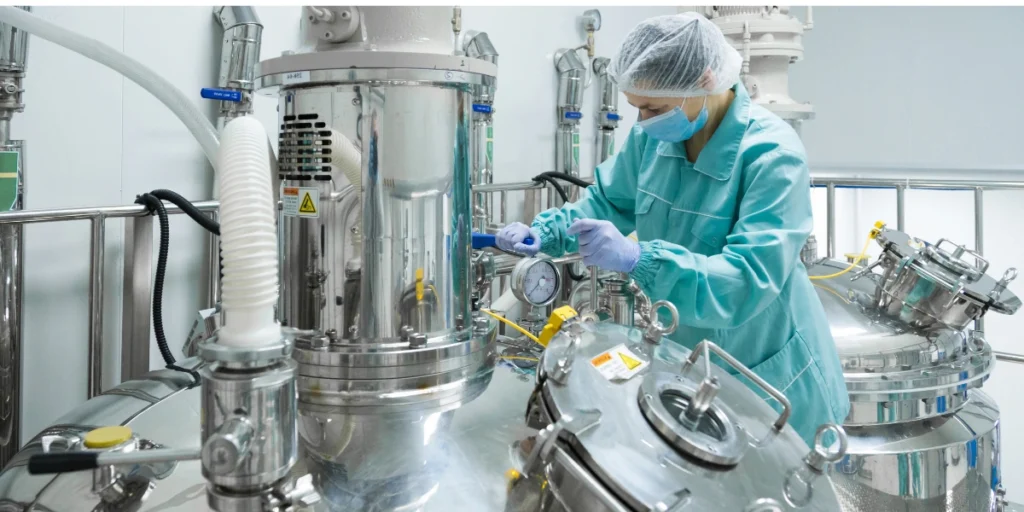
Pakistan has strong supply chains for a wide range of raw materials used in household, industrial and cosmetic chemical products.
From surfactants and solvents to essential oils and packaging components, most requirements can be sourced locally or imported at competitive rates through established chemical distributors.
This makes production smoother and reduces the risk of delays caused by material shortages.
It also helps brands diversify their supply chain, which has become a priority after COVID-19 disrupted global manufacturing networks.
Strategic Location for Export-Oriented Brands
For companies targeting markets in the Middle East, Africa and Central Asia, Pakistan is in a convenient position.
Export routes are well established, port costs are lower compared to many regional hubs and shipping times remain manageable.
Several multinational companies already use Pakistan as a production base for routes into the GCC.
With demand rising in the Gulf’s cleaning, cosmetic and industrial chemical sectors, Pakistan’s location gives brands a natural export advantage.
Strong Support for Custom and Private Label Manufacturing
Another factor driving interest is Pakistan’s flexible private label manufacturing system.
Whether a brand wants bulk chemical production, ready-to-fill products or complete private label services with packaging and branding support, the system is set up to handle all levels of outsourcing.
This flexibility is ideal for startups entering the chemical market and for established brands launching new product lines without investing in in-house facilities.
A More Stable Business Environment Than Before
In recent years, government initiatives have supported industrial growth, improved export policies and encouraged foreign collaboration. While challenges still exist, the direction has been positive. Industrial zones have become more organised and more manufacturers are investing in modern machinery, automation and safety systems.
This stability has reassured international buyers who once had concerns about long-term consistency.
Final Thoughts
Global brands are choosing Pakistan because the country offers a mix of affordability, expertise and reliability that’s hard to find elsewhere.
The chemical manufacturing sector has matured, and third-party manufacturers now provide the level of quality, transparency and scale that international companies expect.
Whether you’re launching a new chemical product or expanding into new regions, Pakistan is no longer a backup option. It’s becoming a preferred choice.
If you want, I can also create SEO titles, meta descriptions or help you generate more topics for the chemical manufacturing niche.