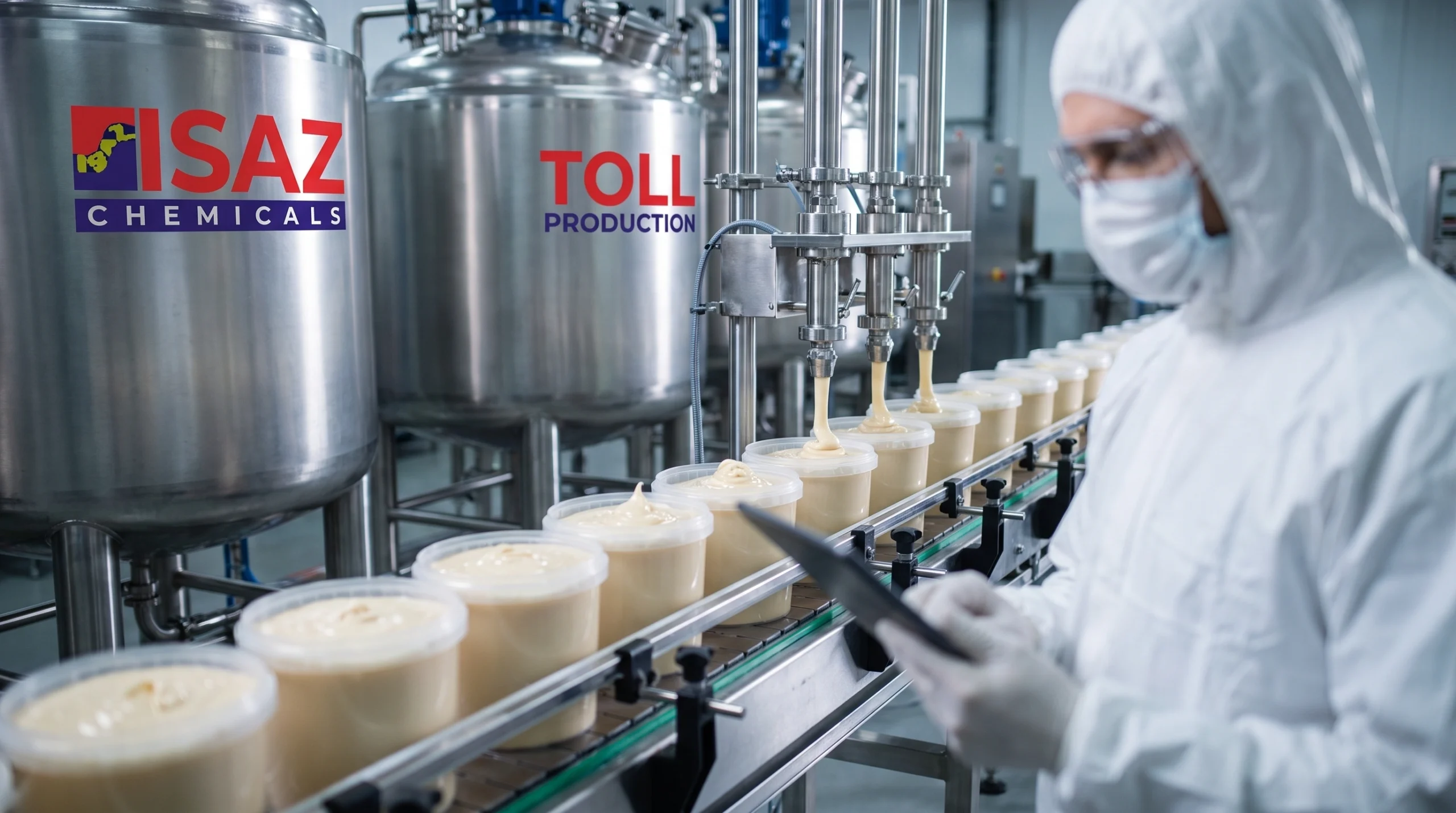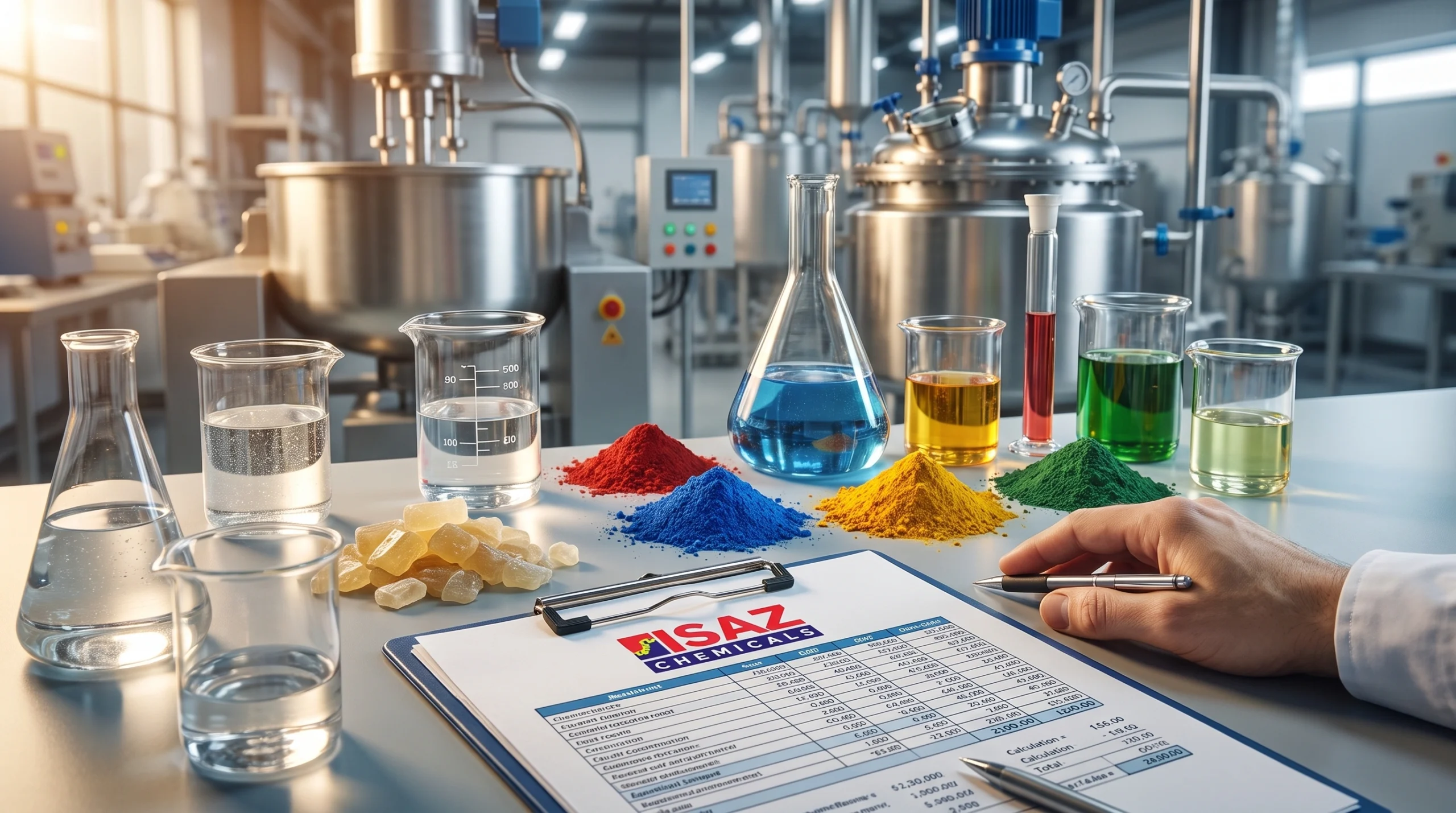

Manufacturing has always been about efficiency, scale, and timing. What has changed in the last few years is the intelligence behind those decisions.
As artificial intelligence becomes deeply embedded in industrial operations, toll manufacturing is getting a serious upgrade. What once looked like a cost-saving tactic is now turning into a strategic growth hack for global brands.
In today’s hyper-competitive environment, AI-Powered Toll Manufacturing allows companies to produce smarter, faster, and with far less risk. By combining advanced automation, data-driven insights, and flexible outsourcing models, businesses can scale production without building factories or managing complex supply chains on their own. That shift is not just convenient. It is transformational.
Understanding AI-Powered Toll Manufacturing
Toll manufacturing, at its core, is simple. A company provides raw materials or formulas, and a third-party manufacturer processes them for a fee.
Traditionally, this model focused on reducing capital expenditure and speeding up time to market.
Now layer AI on top of that structure.
AI-Powered Toll Manufacturing uses machine learning, real-time analytics, and autonomous decision systems to optimize every stage of the production process. From demand forecasting to quality control,
AI systems continuously learn and improve. This means fewer errors, less waste, and more predictable outcomes for brands that outsource production.
When toll manufacturers adopt AI-driven systems, they stop being just service providers. They become strategic partners.
Smart Factory Capabilities Are Changing the Game
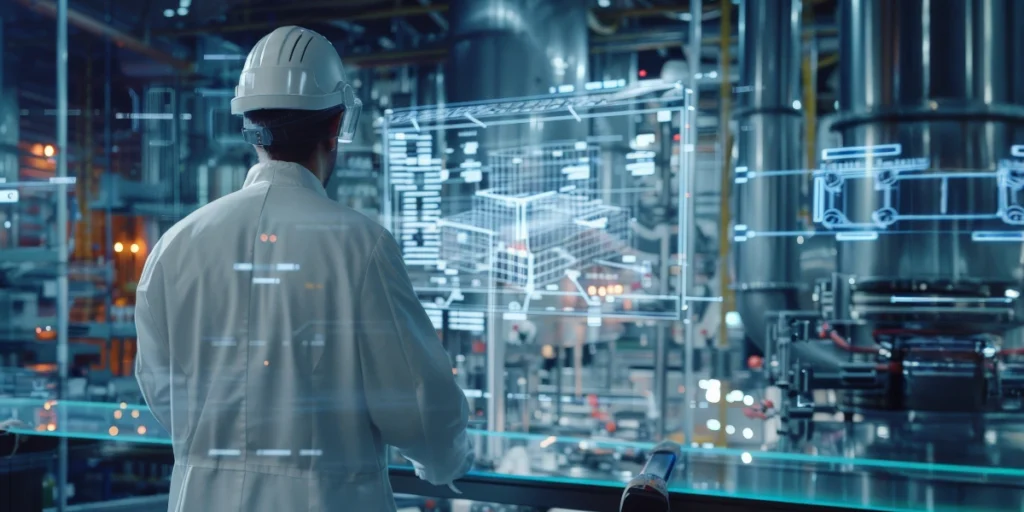
The rise of the Smart Factory is one of the biggest drivers behind this shift. Smart factories rely on connected machines, sensors, and AI software that monitor operations in real time.
Data flows seamlessly across production lines, warehouses, and logistics networks.
In a toll manufacturing setup, this matters even more. Clients want transparency, consistency, and reliability. AI-enabled smart factories can offer all three.
For example, sensors can detect micro-variations in temperature or pressure during production and adjust parameters automatically.
Computer vision systems inspect products faster and more accurately than human inspectors.
According to industry studies, AI-based quality inspection can reduce defect rates by up to 90 percent in certain manufacturing environments.
That level of control gives brands confidence to outsource critical production without sacrificing quality.
Outsourcing Without Losing Control
One of the biggest fears around Outsourcing has always been loss of control. Companies worry about quality drift, delays, and misaligned priorities. AI is directly addressing those concerns.
With AI dashboards and shared data platforms, clients can monitor production metrics in real time, even when manufacturing is happening halfway across the world.
Performance indicators, yield rates, downtime, and compliance data are available instantly.
This transparency turns outsourcing into a collaborative model rather than a blind handoff. Brands keep strategic oversight, while toll manufacturers handle execution with AI-driven precision.
This is why AI-Powered Toll Manufacturing is increasingly attractive to industries like pharmaceuticals, chemicals, food processing, and electronics, where compliance and consistency are non-negotiable.
Agentic AI in Supply Chain Management
One of the most powerful shifts happening right now is the rise of Agentic AI in Supply Chain operations.
Unlike traditional AI systems that only analyze data, agentic AI can take action autonomously based on defined goals.
In a toll manufacturing context, agentic AI systems can reorder raw materials when inventory drops, reroute shipments when disruptions occur, or adjust production schedules based on real-time demand signals.
For example, if a port delay threatens raw material delivery, an AI agent can proactively source from an alternative supplier or adjust production sequences to minimize downtime. These decisions happen in minutes, not days.
This level of autonomy reduces human bottlenecks and makes outsourced manufacturing far more resilient in an unpredictable global market.
Predictive Maintenance Tolling Reduces Cost and Downtime
Equipment failure is one of the most expensive problems in manufacturing. Unexpected downtime can halt production, miss delivery deadlines, and damage client relationships.
This is where Predictive Maintenance Tolling becomes a major advantage.
By analyzing sensor data, vibration patterns, temperature changes, and historical maintenance records,
AI systems can predict when a machine is likely to fail. Maintenance is scheduled before breakdowns occur, not after.
Studies show that predictive maintenance can reduce maintenance costs by up to 25 percent and unplanned downtime by nearly 50 percent.
For toll manufacturers, this means higher uptime and better service reliability. For clients, it means fewer surprises and more dependable output.
In AI-Powered Toll Manufacturing, predictive maintenance is not a luxury. It is becoming a baseline expectation.
Key Benefits for Brands and Manufacturers
The benefits of this AI-driven model are felt on both sides of the partnership.
For brands:
- Faster time to market without capital investment
- Access to advanced manufacturing technology
- Scalable production based on real demand
- Improved quality and consistency
For toll manufacturers:
- Higher operational efficiency
- Better asset utilization
- Stronger client retention through data transparency
- Ability to serve global clients competitively
This mutual value creation is why AI-Powered Toll Manufacturing is gaining traction worldwide, not just in developed markets but also in emerging manufacturing hubs.
Challenges That Still Need Solving
Despite the promise, the transition is not without challenges.
Data integration is a major hurdle. Many toll manufacturers operate legacy systems that do not easily connect with modern AI platforms.
Cybersecurity is another concern, especially when sensitive production data is shared across borders.
There is also a talent gap. Implementing and managing AI systems requires skilled engineers, data scientists, and operations managers who understand both manufacturing and machine learning.
However, these challenges are being addressed rapidly through cloud-based AI platforms, standardized industrial protocols, and managed AI services that lower the barrier to entry.
The Future of AI-Powered Toll Manufacturing
Looking ahead, the role of AI in toll manufacturing will only deepen. We are likely to see fully autonomous production lines where AI systems negotiate schedules, allocate resources, and optimize costs with minimal human intervention.
Digital twins will allow brands to simulate production scenarios before committing to physical runs. Sustainability metrics will be built directly into AI decision models, reducing energy use and waste automatically.
As global supply chains continue to face volatility, AI-Powered Toll Manufacturing offers a flexible, intelligent alternative to owning and operating factories. It is not just a cost-saving move anymore. It is a strategic advantage.
Final Thoughts
Toll manufacturing has evolved from a behind-the-scenes service into a high-tech growth enabler. In the AI era, it offers something rare: speed, flexibility, and intelligence without massive upfront investment.
For companies looking to scale globally, manage risk, and stay competitive, embracing AI-Powered Toll Manufacturing is less about following a trend and more about staying relevant. In a world where agility wins, this might just be the smartest hack in modern manufacturing.