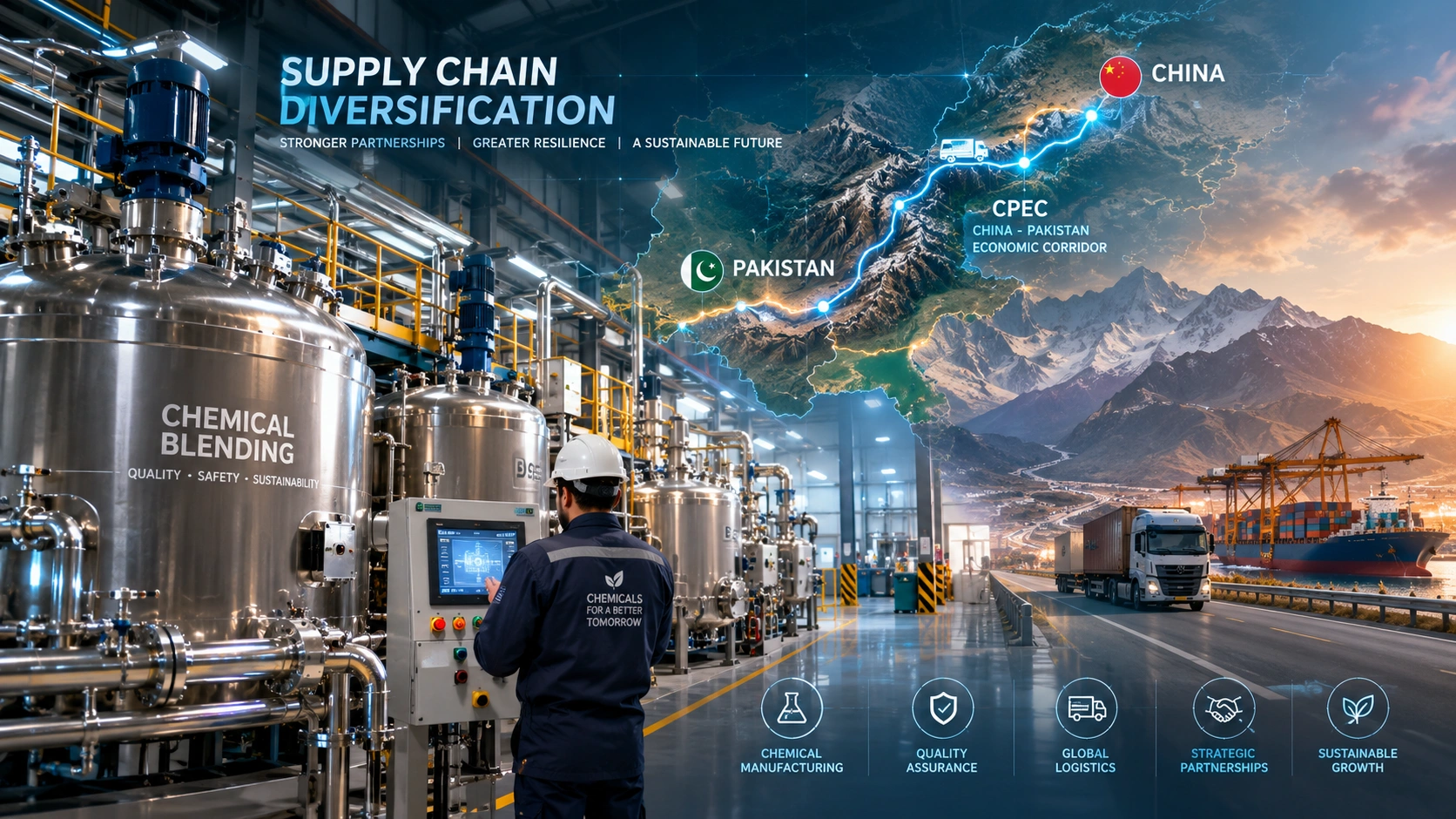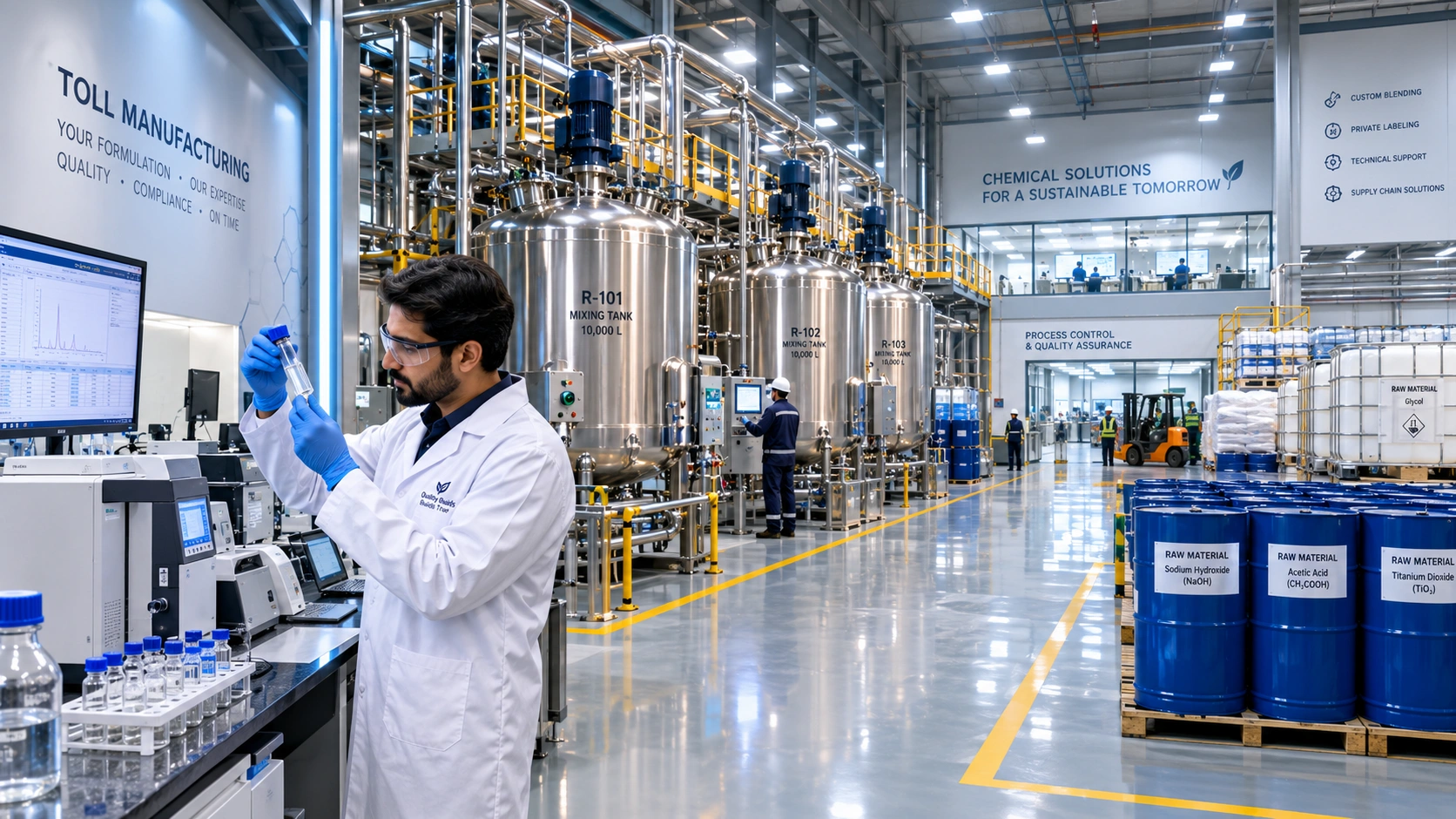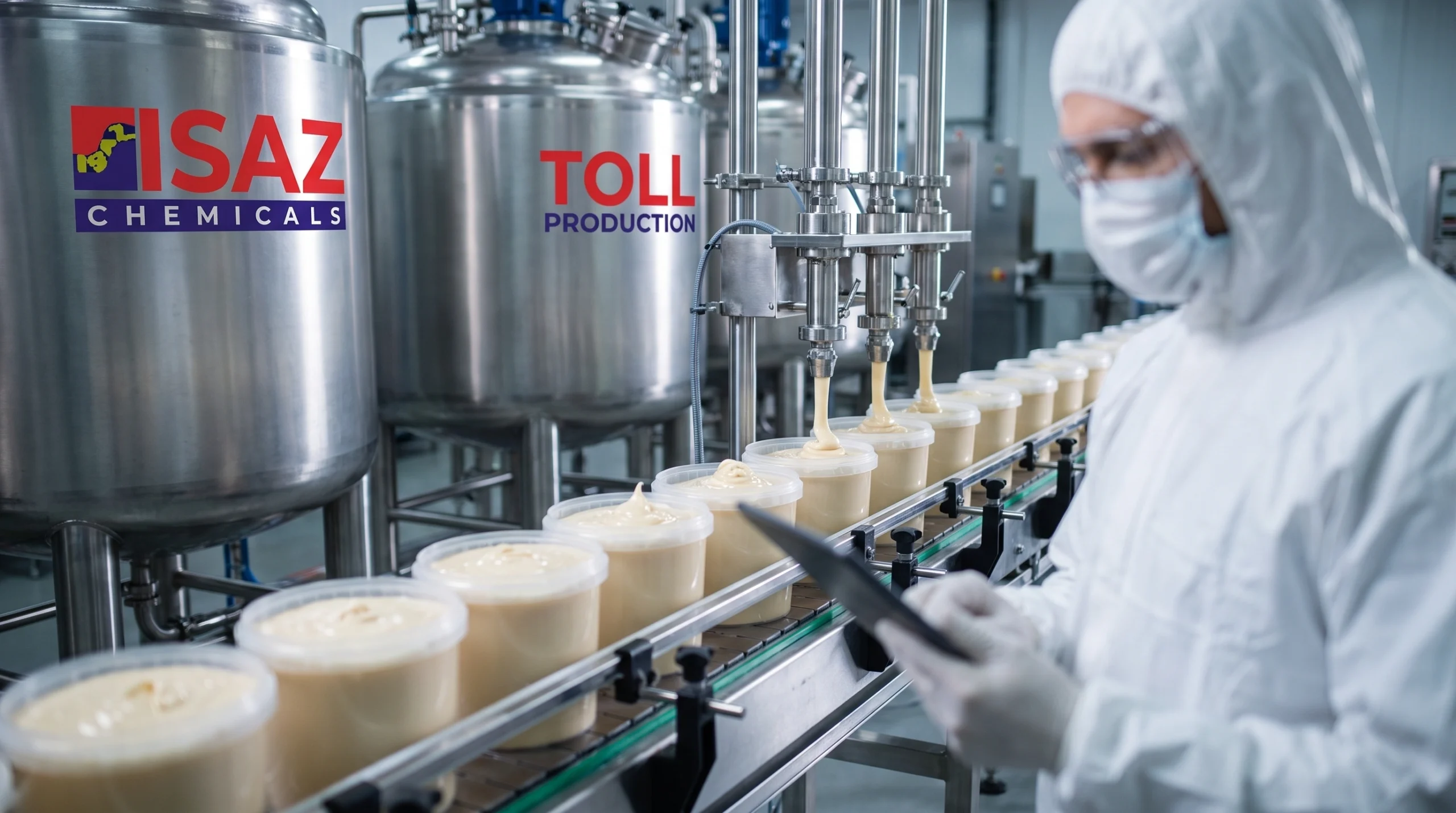

The Benefits of Toll Manufacturing vs In-House Production have become a critical discussion point for modern businesses aiming to optimize cost, efficiency, and scalability. In today’s competitive global economy, companies are constantly re-evaluating whether to manufacture products internally or outsource production to specialized partners.
From startups to multinational corporations, the decision directly impacts profitability, product quality, and long-term growth. The phrase Benefits of Toll Manufacturing vs In-House Production is often used in strategic planning because it highlights a core operational dilemma faced by many industries, including pharmaceuticals, chemicals, food processing, and consumer goods.
At its core, toll manufacturing allows companies to leverage external facilities, while in-house production means full ownership of the manufacturing process. Both approaches have distinct advantages and limitations. Throughout this article, we will explore these differences in depth, helping you understand which model best aligns with your business goals.
What is Toll Manufacturing
Toll manufacturing refers to a business arrangement where a company (the client) provides raw materials or formulations to a third-party manufacturer (the toll processor) who then produces the finished goods. One of the major Benefits of Toll Manufacturing vs In-House Production is the ability to reduce capital investment. Companies do not need to build factories or purchase expensive machinery.
Key Characteristics:
- External production facility usage
- Lower upfront investment
- Specialized expertise access
- Scalable output
Toll manufacturing is widely used in industries such as pharmaceuticals and chemicals, where precision and compliance are essential.
What is In-House Production
In-house production refers to manufacturing goods within a company’s own facilities using its own workforce, equipment, and systems.
One of the key Benefits of Toll Manufacturing vs In-House Production comparisons lies in control. In-house production offers full oversight of every stage of the process.
Key Features:
- Full operational control
- Higher capital investment
- Direct quality monitoring
- Strong brand integration
While in-house production offers independence, it also requires significant financial and operational commitment.
Key Differences
Understanding the benefits of toll manufacturing vs in-house production requires a clear comparison between the two operational models. In terms of cost, toll manufacturing offers a significant advantage because it involves low upfront investment, whereas in-house production typically demands high capital expenditure for facilities, equipment, and workforce. When it comes to control, in-house production provides full oversight of the entire manufacturing process, while toll manufacturing offers more limited control since production is handled by a third-party provider.
Scalability is another key difference; toll manufacturing generally allows for high scalability as companies can easily increase or decrease output based on demand, whereas in-house production tends to offer only moderate scalability due to fixed capacity constraints. From a risk perspective, toll manufacturing involves shared risk between the client and the manufacturer, while in-house production places all operational and financial risks entirely on the company itself. Finally, flexibility is higher in toll manufacturing because businesses can adapt quickly to market changes without major infrastructure adjustments, while in-house production offers lower flexibility due to its dependence on internal systems and resources.
Ultimately, the choice between these two models depends on factors such as business maturity, available capital, and long-term strategic goals.
Cost Analysis
Cost efficiency is one of the most discussed Benefits of Toll Manufacturing vs In-House Production.
Toll manufacturing eliminates the need for infrastructure investment, reducing fixed costs significantly. Businesses only pay for production services, which helps maintain flexible budgeting.
In contrast, in-house production requires:
- Factory construction
- Equipment purchase
- Maintenance costs
- Skilled workforce hiring
However, in-house production may offer better long-term cost control at high volumes.
Many companies start with toll manufacturing before transitioning to in-house production once demand stabilizes.
Quality Control
Quality assurance plays a major role in evaluating the Benefits of Toll Manufacturing vs In-House Production.
In-house production allows:
- Direct supervision
- Immediate quality adjustments
- Strong internal standards
Toll manufacturing offers:
- Access to expert manufacturers
- Advanced equipment
- Certified production processes
However, companies may face challenges in maintaining consistent oversight when outsourcing.
The balance between control and expertise is crucial when deciding between the two models.
Flexibility and Scalability
Scalability is one of the strongest Benefits of Toll Manufacturing vs In-House Production in favor of outsourcing.
Toll manufacturing allows companies to quickly scale production up or down based on demand without major investments.
In-house production, on the other hand, is less flexible due to:
- Fixed capacity limits
- Equipment constraints
- Workforce requirements
Startups and seasonal businesses often prefer toll manufacturing because it supports rapid market adaptation.
Risk Management
Risk distribution is another important factor in the Benefits of Toll Manufacturing vs In-House Production discussion.
Toll manufacturing reduces risk by:
- Sharing operational responsibility
- Minimizing capital exposure
- Reducing inventory risks
In-house production carries higher risks such as:
- Equipment failure
- Supply chain disruptions
- Financial losses from idle capacity
Outsourcing production helps businesses remain resilient in uncertain markets.
Supply Chain Efficiency
Efficient supply chains are central to the Benefits of Toll Manufacturing vs In-House Production debate.
Toll manufacturers often already have optimized logistics systems, which improves delivery speed and reduces complexity.
In-house production requires companies to:
- Build supply chain networks
- Manage procurement directly
- Handle logistics internally
This can be beneficial but also resource-intensive.
Regulatory Compliance
Compliance is critical in industries like pharmaceuticals and food production.
One of the key Benefits of Toll Manufacturing vs In-House Production is that toll manufacturers often already meet strict regulatory standards.
Advantages include:
- Certified facilities
- Experienced compliance teams
- Reduced legal burden
In-house production requires companies to independently manage:
- Audits
- Certifications
- Industry regulations
This increases operational complexity significantly.
Technology & Infrastructure
Technology access is a major advantage when analyzing the Benefits of Toll Manufacturing vs In-House Production.
Toll manufacturers often invest heavily in:
- Advanced machinery
- Automation systems
- Modern production lines
This allows smaller companies to access high-end production capabilities without major investments.
In-house production requires continuous technology upgrades, which can be expensive and time-consuming.
Industry Use Cases
Different industries experience the Benefits of Toll Manufacturing vs In-House Production differently.
Common Toll Manufacturing Industries:
- Pharmaceuticals
- Cosmetics
- Chemicals
- Food processing
Common In-House Production Industries:
- Luxury goods
- Automotive manufacturing
- High-security products
Each industry selects its model based on control needs and scalability requirements.
Decision Framework
Choosing between the two depends on several strategic factors:
- Budget availability
- Market demand stability
- Product complexity
- Long-term goals
Businesses often evaluate the Benefits of Toll Manufacturing vs In-House Production using hybrid models, combining both approaches.
Frequently Asked Questions (FAQs)
1. What are the main Benefits of Toll Manufacturing vs In-House Production?
The main benefits include lower cost, scalability, and reduced operational risk compared to in-house production.
2. Is toll manufacturing cheaper than in-house production?
Yes, in most cases it is cheaper upfront because it avoids infrastructure investment.
3. What industries use toll manufacturing the most?
Pharmaceutical, chemical, and food industries commonly rely on it.
4. Does in-house production offer better quality control?
Yes, because companies have direct oversight of every process.
5. Can businesses combine both models?
Yes, hybrid strategies are common for balancing cost and control.
6. What is the biggest advantage of in-house production?
Full control over quality, branding, and production processes.
7. Who offers chemical toll manufacturing services in Pakistan?
One of the notable providers is Isaz Chemicals, which offers professional chemical toll manufacturing services with a focus on quality production, customized formulations, and reliable industrial support for different sectors.