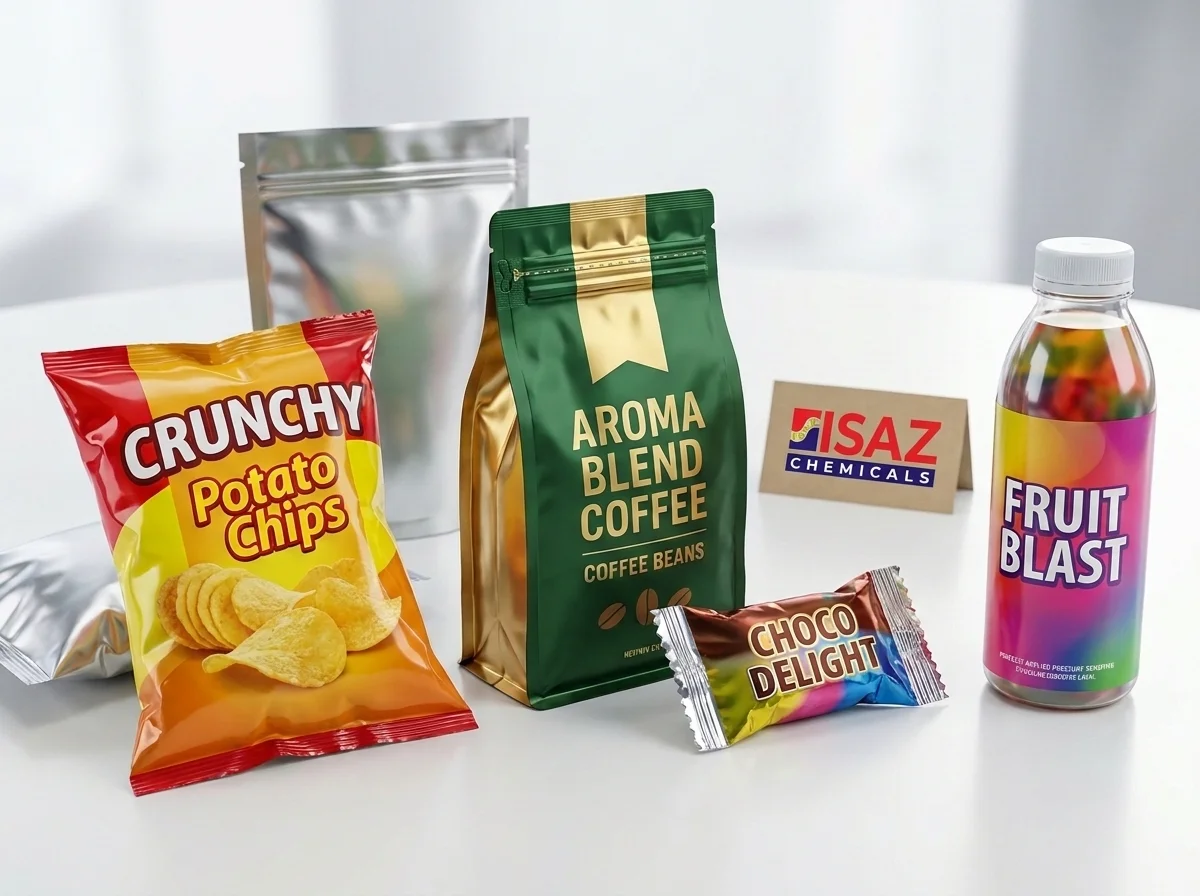
Nitrocellulose shows up in far more places than paint cans. Inside the printing and packaging industry, NC resin is a core binder in gravure and flexographic inks used on flexible film, foil, and laminate packaging: snack wrappers, cigarette packaging, metallic labels. For converters and ink manufacturers, the choice of nitrocellulose grade affects everything from print clarity to how well the ink survives lamination, and getting it wrong usually shows up on press, not in the lab.
This post covers why NC is used in printing inks, where it fits in the packaging workflow, and what a converter or ink formulator should check before sourcing a new NC supplier.
Why nitrocellulose works as an ink binder
Printing inks need a binder that dries fast, holds pigment evenly, and forms a flexible film that will not crack when the printed substrate is folded, laminated, or run through a bag-making machine. Nitrocellulose fits that profile well:
• Fast solvent release, which lets gravure and flex presses run at high speed without smearing
• Good pigment wetting and gloss, which matters for brand graphics on retail packaging
• Flexibility after drying, so printed film can be folded, formed, or laminated without the ink layer cracking
• Compatibility with a wide range of co-resins, letting formulators adjust gloss, rub resistance, and heat-seal behavior
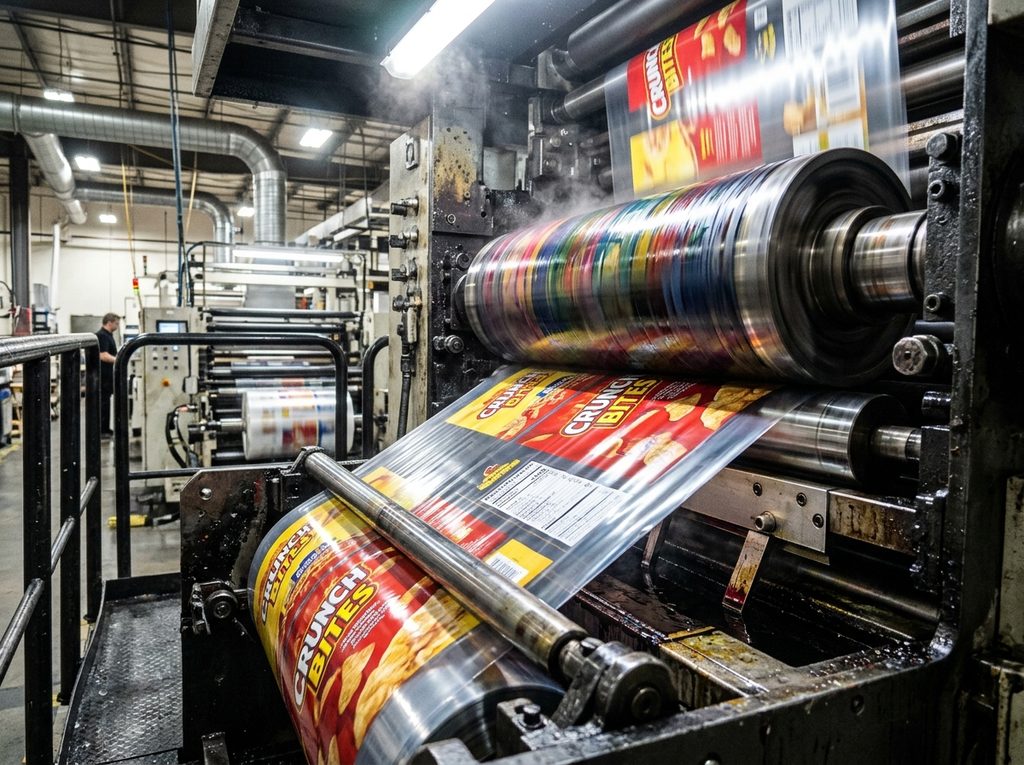
Where NC-based inks are used in packaging
• Surface printing on film: graphics printed on the outside of a flexible package, where gloss and rub resistance matter for shelf appeal
• Reverse printing under lamination: ink printed on the inside of a film layer before it is laminated to another substrate, where adhesion to the laminating adhesive is critical
• Metallic and foil printing: NC-based inks are common for the high-gloss metallic effects used on snack and confectionery packaging
• Label and tag printing: gravure-printed labels that need a durable, scuff-resistant finish
What to check before switching NC suppliers for ink production
A nitrocellulose grade that works well in a paint lacquer is not automatically right for an ink formulation. Converters switching suppliers, or ink formulators sourcing a new NC source, should confirm a few things before running a full batch:
1. Viscosity grade consistency. Ink formulations are viscosity-sensitive at the parts-per-million level compared to paint. Ask for batch-to-batch viscosity data, not just a nominal grade.
2. Nitrogen content. This affects solubility, drying speed, and film flexibility. A shift of even half a percent can change how an ink performs on press.
3. Solubility in the solvent system already in use. Some ink lines run on ester-alcohol blends, others on toluene-free systems for regulatory reasons. Confirm the NC dissolves cleanly in the plant’s existing solvent mix before committing.
4. Supply consistency. Press downtime from an off-spec batch is expensive. A supplier with in-house quality control and documented batch testing reduces that risk.
Sourcing NC for ink and packaging applications
ISAZ Chemicals supplies nitrocellulose solutions to formulators across coatings, lacquers, and ink applications, with batch testing done in-house before dispatch. If your ink formulation team is evaluating a new NC source, or running into inconsistency with a current supplier, we can walk through viscosity grade, nitrogen content, and solvent compatibility for your specific ink system.
Formulating or sourcing NC for printing inks or flexible packaging? Talk to ISAZ Chemicals about your specification.