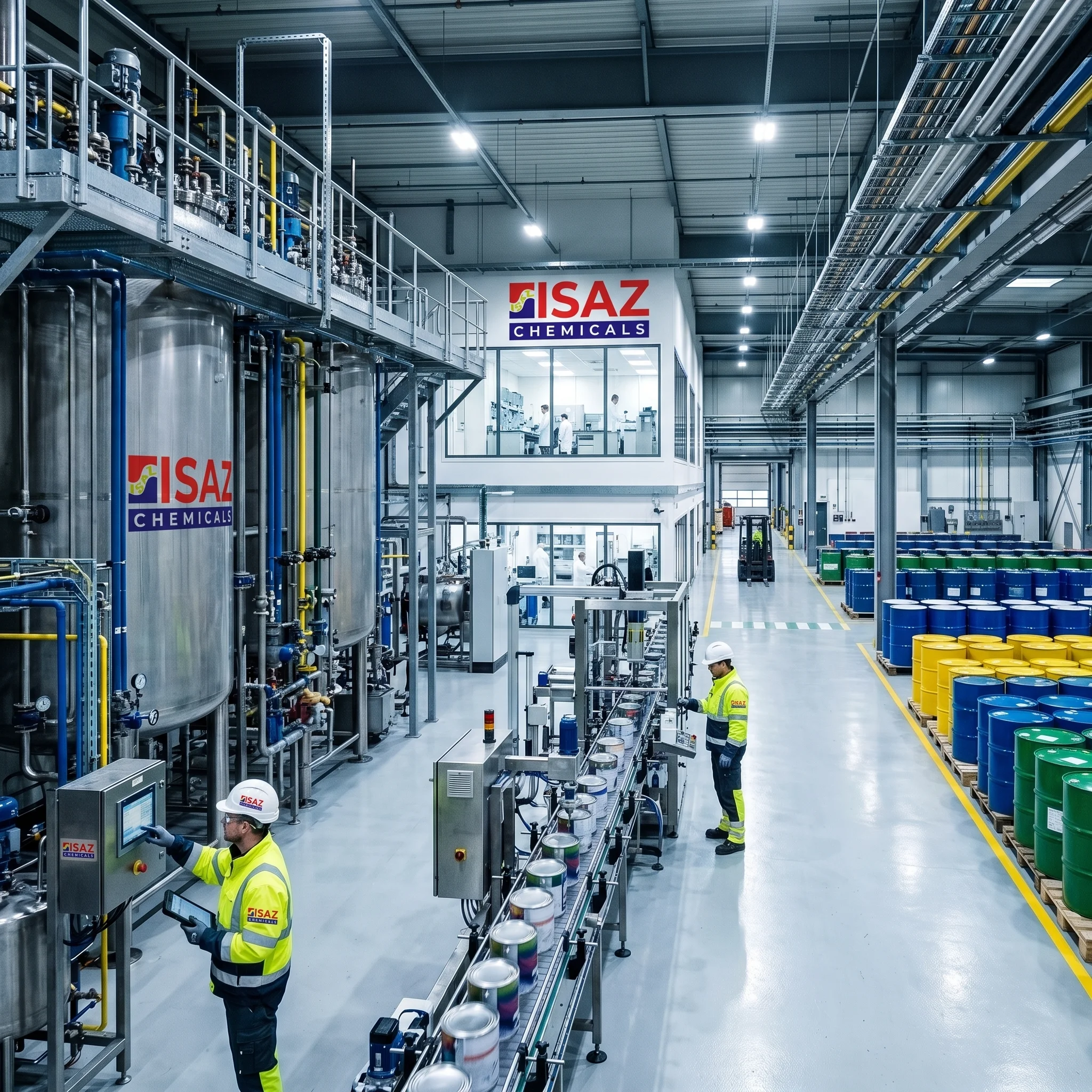
The toll manufacturing definition is straightforward: a company supplies its own raw materials to a third-party processor, who converts those inputs into finished products and charges a service fee, the toll, for that conversion work. If you’re deciding whether this model fits your business or evaluating a toll partner for the first time, the definition is just the starting point. What actually matters is how the arrangement works in practice, what it costs, and what to look for in a qualified toll processor.
At ISAZ Chemicals, we have run toll manufacturing programs for global paint and coatings brands, including Nippon Paint, AkzoNobel, Berger Paints, and DIC Paint, for decades. We see the same questions come up repeatedly from procurement teams, R&D leads, and operations managers. This article answers them clearly: what tolling actually means, how the production cycle works, which industries use it most, how it compares to contract manufacturing, what pricing looks like, and how to choose the right partner.
Toll Manufacturing Definition: What It Actually Means
The formal definition in plain terms
At its core, the definition of toll manufacturing comes down to ownership. The customer owns the raw materials, owns the formula, and owns the finished goods. The toll processor owns the building, the equipment, and the workforce. The processor converts the customer’s inputs according to the customer’s specification and charges a processing fee, the toll, for that conversion service. No materials are bought or sold by the processor. This is a service transaction, not a product purchase.
The terms “toll manufacturing,” “toll processing,” and “tolling” are used interchangeably across chemical, pharmaceutical, food, coatings, and polymer industries. The concept is consistent across all of them: the customer controls the inputs, the processor delivers the conversion work.
The five elements that define a true toll arrangement
Five characteristics separate a genuine toll arrangement from other production models. Understanding them is key to applying the toll manufacturing definition correctly in practice:
- The customer retains ownership of all raw materials throughout the process.
- The toll processor supplies the facility, machinery, and trained workforce.
- Payment is a processing fee, not a price for goods.
- Finished-goods ownership stays with the customer.
- The processor works strictly to the customer’s specification, not its own.
If any of these elements shift, the arrangement may drift into contract manufacturing or another model entirely. Material ownership is the definitional line, and it’s the first thing any toll manufacturing agreement should establish without ambiguity.
Why this model exists
Toll manufacturing emerged from industries where specialized equipment and regulatory compliance made duplicating infrastructure financially unjustifiable. Chemical and coatings companies were among the earliest heavy users because batch reactors, solvent-handling systems, and dispersion mills cost millions to build, certify, and maintain. Brands that needed production capacity didn’t need to own a factory. They needed access to one.
How the Tolling Process Works: Material Handoff to Finished Product
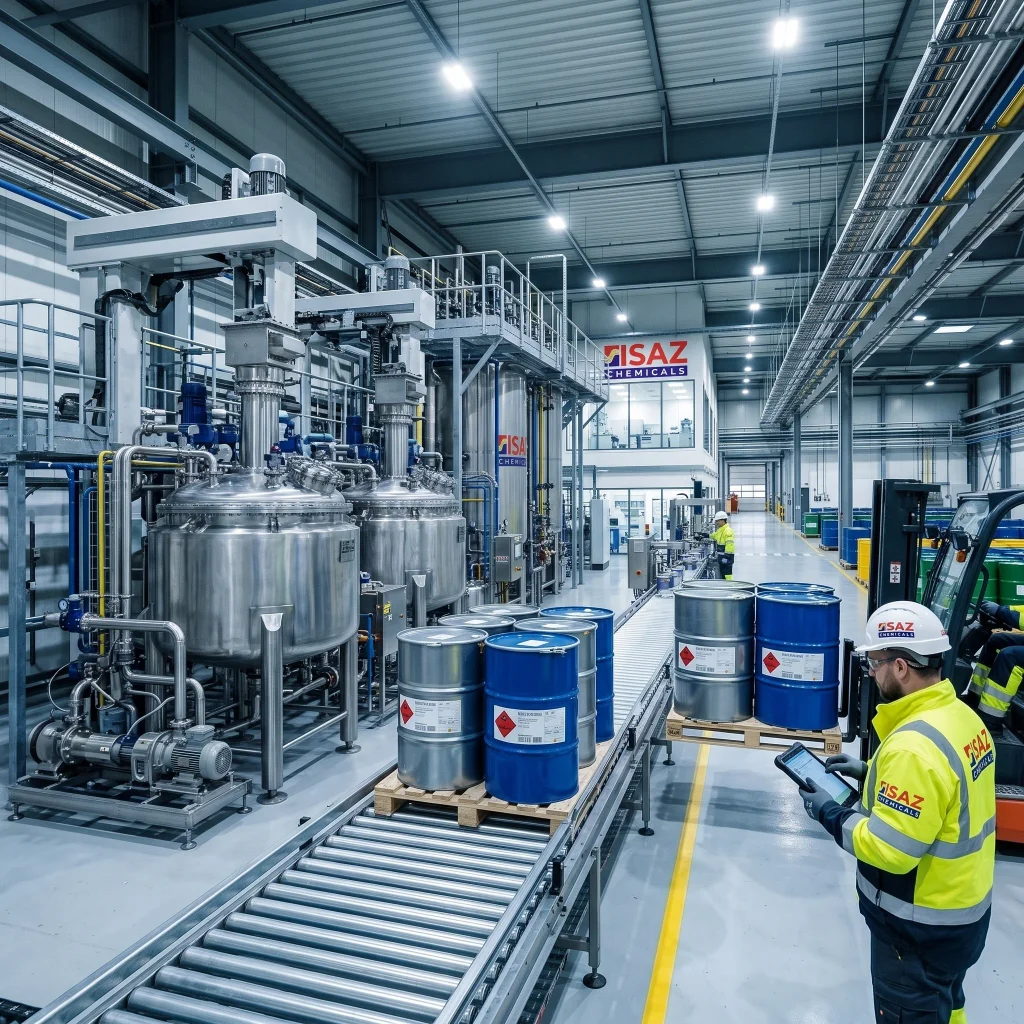
Step 1: The customer delivers materials and specifications
The customer ships raw materials, components, or semi-finished inputs to the toll processor’s facility. Alongside those materials, they provide production specifications, approved formulations, quality standards, safety documentation, and any regulatory requirements. The toll processor logs everything on arrival and segregates those materials under the customer’s ownership. Nothing gets processed until the specification is confirmed and the materials are received and accepted.
Step 2: The processor converts, blends, or refines the inputs
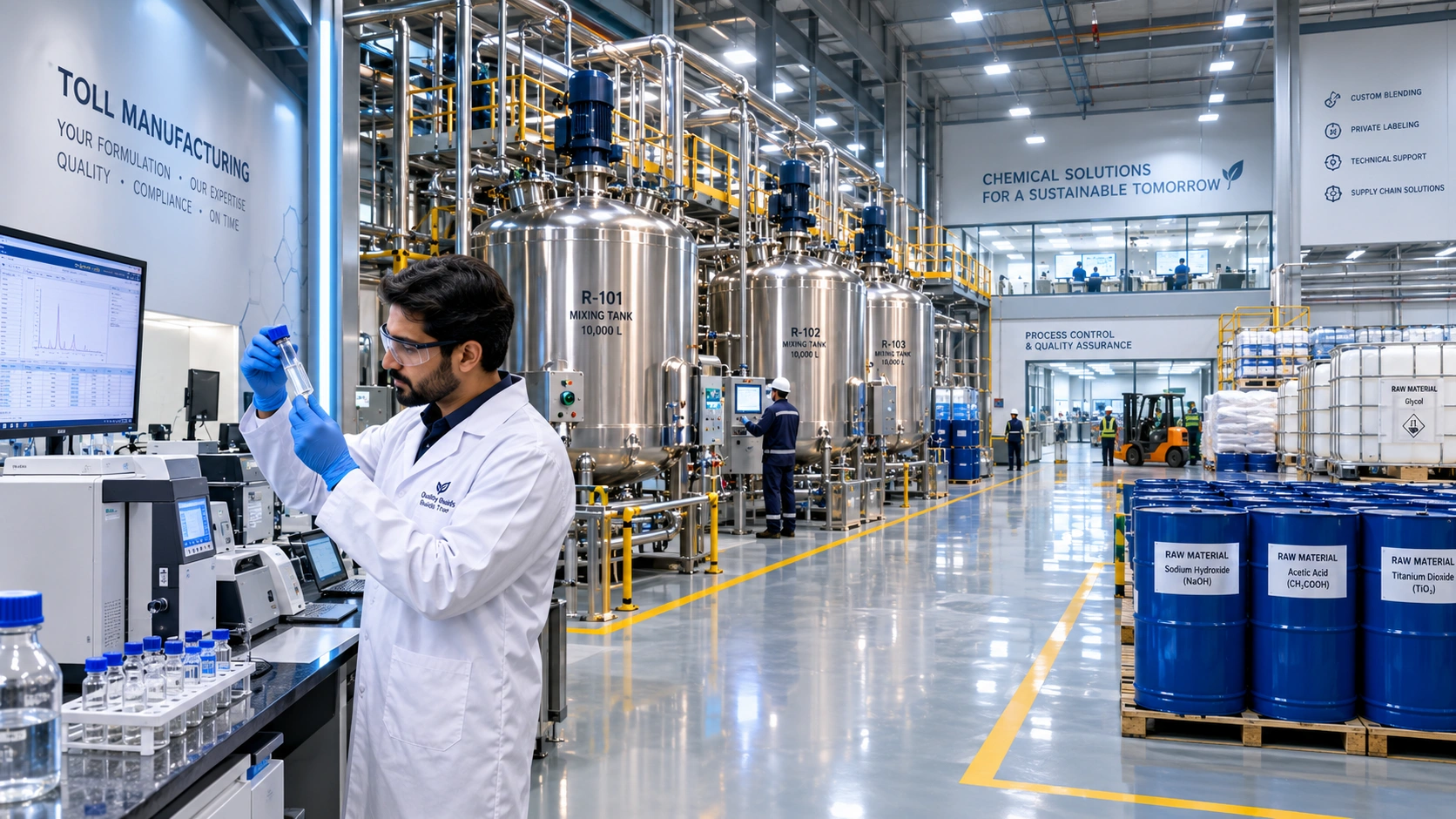
The toll processor runs production using their own equipment, trained personnel, and established safety protocols. For a chemical or coatings application, this might mean blending resins, dispersing pigments, processing nitrocellulose solutions, or filling product into packaging containers. The processor follows the customer’s specification exactly, not their own formula. In-process quality checks happen throughout the batch to catch deviations before they become problems.
Step 3: Quality release and return of finished goods
Before any product leaves the facility, the toll processor performs agreed quality checks, generates batch records, and issues certificates of analysis. The finished product is packaged to the customer’s specification. Ownership of that output has never changed: it belongs to the customer. The processor then ships or stores the goods as directed, and the customer pays the processing fee for the conversion work performed.
Industries That Depend on Toll Production the Most
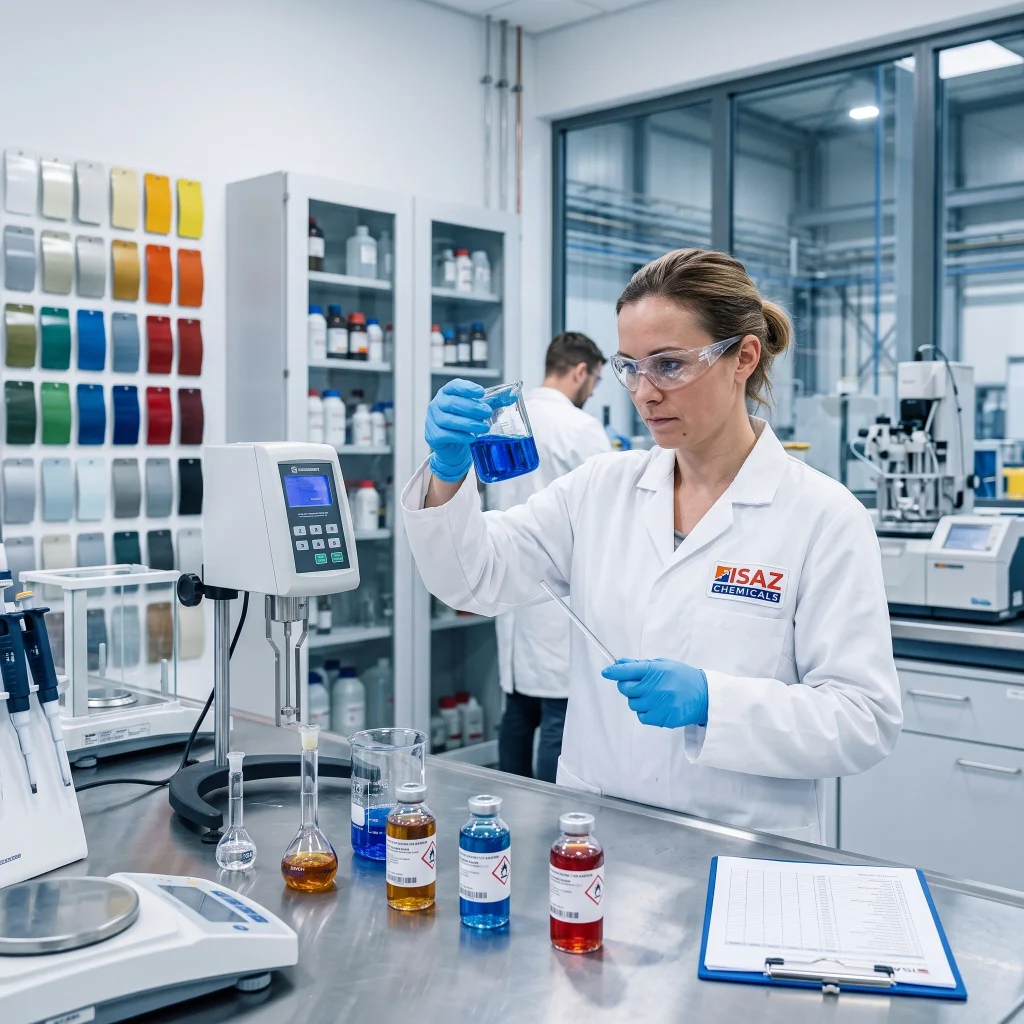
Chemicals and coatings: where tolling dominates
The chemicals and coatings sector is the heaviest user of toll manufacturing, and for clear reasons: the equipment is expensive, the materials are often regulated, and the certifications required to handle substances like nitrocellulose are difficult and costly to obtain. ISAZ Chemicals is a direct example of how this model works at scale. The company provides tolling services for NC solutions, polyester putties, varnishes, and resins for leading coatings brands. Those brands get certified, compliant production without building a single facility themselves.
Pharmaceuticals, food, and polymer industries
Pharmaceutical companies toll out API synthesis, granulation, and sterile filling to GMP-certified facilities, reducing capital risk and compressing launch timelines significantly. Food brands use toll processors for ingredient blending, spray drying, and co-packing, allowing market entry without purchasing a dedicated food plant. Plastics producers toll compounding work to specialists who deliver custom pellets with specific additives, colors, or flame-resistance properties. The driver in every case is the same: specialized equipment and compliance requirements that make building your own plant financially unjustifiable.
Why regulated industries prefer tolling over building in-house
Industries where production requires hazardous-material licenses, GMP certification, environmental compliance, or stringent quality documentation often find tolling cheaper, faster, and lower-risk than standing up their own facilities. The toll processor already holds the permits, the trained personnel, and the validated processes. The customer gains immediate production capacity with zero capital investment and zero time lost to the regulatory approval process.
Toll Manufacturing vs. Contract Manufacturing: Where the Line Is
The one distinction that matters most: who owns the materials
In toll manufacturing, the customer supplies and retains ownership of the raw materials throughout production. The processor is paid a fee to convert those inputs. In contract manufacturing, the manufacturer typically sources the materials themselves, produces to specification, and delivers a finished good, effectively selling a product rather than a service. Material ownership is the definitional line between the two models. That single distinction drives everything else: pricing structure, inventory risk, and procurement responsibility all follow from it.
Where co-packing and private labeling fit in
Co-packing focuses on the downstream packaging step: filling, labeling, and cartoning a product that already exists in bulk form. Private labeling goes further in the opposite direction, the manufacturer produces a standard product using their own formula, and the customer puts their brand on it. All four models can overlap in practice, but the core question is always the same: who owns the materials, and who owns the formula?
Which model suits your situation
If you own the formula and want control over materials, tolling is your model. It gives you maximum transparency over input quality, cost, and sourcing. If you need a fully managed, turnkey production program and don’t want to handle raw material procurement, contract manufacturing makes more sense. If you want speed to market without any product development work, private labeling is the fastest route, though it offers the least differentiation.
How Pricing Works in a Toll Manufacturing Agreement
The most common fee structures used by toll processors
Toll manufacturers commonly charge using structures such as per kilogram or tonne of conforming output, per batch, or a hybrid combining a fixed setup fee with a variable per-unit conversion charge. Other arrangements include hourly equipment-time rates and cost-plus models, depending on the nature of the process. Per-kg pricing works well for bulk chemical and liquid processing where volumes are consistent. Per-batch pricing applies where setup and cleaning represent the dominant cost driver. Hybrid models tend to be commercially balanced because they reflect both fixed and variable cost components, reducing the risk of either party absorbing disproportionate cost swings.
Pass-through costs and what falls outside the toll fee
The toll fee covers labor, equipment time, utilities, and quality activities. It does not cover raw materials, inbound and outbound freight, specialized third-party testing, custom tooling, or hazardous-waste disposal. These costs are typically passed through at cost or with an agreed coordination fee. The toll manufacturing agreement should define every pass-through category explicitly, with supporting invoice requirements, to prevent disputes later. Vague language in this section creates problems at invoice time.
Critical legal terms that protect both sides
Key clauses in any toll agreement include ownership of materials and work-in-process, IP and formula protection, QA/QC acceptance criteria, liability allocation for non-conforming batches, minimum volume commitments, and termination procedures that require return of customer-owned materials and confidential information. These aren’t optional clauses; they’re the framework that makes the relationship commercially workable for both parties, and any agreement missing them creates significant exposure. Annual price escalation tied to a defined index, with a cap, also belongs in the document.
What to Look for When Choosing a Toll Manufacturer
Certifications that tell you a facility is actually qualified
ISO certification is widely regarded as the baseline for quality management systems, it indicates the facility operates documented, auditable processes rather than informal ones. EcoVadis certification signals verified environmental, social, and ethical standards, which many multinational procurement teams request during supplier qualification. Ask for certificates, not claims. A qualified toll manufacturer will have current documentation ready and will welcome a facility audit.
Regulatory licenses: non-negotiable for chemical toll manufacturing
If your product involves controlled, hazardous, or explosive substances, nitrocellulose being a common example in the coatings and printing ink space, your toll partner must hold the relevant regulatory licenses before you sign anything. In markets like South Asia, this means Explosive Department, Anti-Narcotics, and Environmental Department licenses. Very few facilities hold all three simultaneously. ISAZ Chemicals holds these licenses in Pakistan, which is a key reason global brands trust us with technically demanding and compliance-sensitive chemical programs.
A practical checklist before you commit to a toll partner
Before signing a toll manufacturing agreement, verify each of the following:
- ISO and relevant industry certifications (active, not expired)
- Regulatory licenses for the specific chemistries in your product
- Proven production history at your target volume range
- Clear QA/QC protocols with documented batch records
- Financial stability and adequate insurance coverage
- Transparent pricing with defined pass-through cost categories
- Reference clients in your industry (ask for them directly, not just logos on a website)
Every item on that list matters. A partner who hesitates on any of them deserves scrutiny before you commit production capacity, materials, or your formula to their facility.
The Right Toll Partner Removes Complexity, Not Just Cost
The toll manufacturing definition is clean: customer-owned inputs, processor-supplied infrastructure, and a fee for conversion services. The execution is where the real work happens, and where the right partner makes the difference between a smooth program and a costly disruption.
The model works because it removes capital risk, accelerates time-to-market, and gives brands access to certified, specialized production they couldn’t economically justify building themselves. For companies scaling in regulated chemical categories, including coatings, printing inks, adhesives, and specialty resins, toll manufacturing is often the only path that combines speed, compliance, and cost efficiency without a multi-year infrastructure commitment.
If you’re evaluating the toll manufacturing definition in the context of your next production program and want to understand whether ISAZ Chemicals is the right fit, get in touch with our team. We’re glad to walk through your formulation requirements, volume targets, and certification needs before any agreement is signed.