Toll Manufacturing Case Study: How We Helped a Paint Manufacturer Cut Costs
When exploring toll manufacturing, most of the paint companies that come to us aren’t looking for a chemistry lesson. They’re looking at their own P&L and wondering why a litre of finished lacquer costs them what it does. This is the story of one of them.
The client is a mid-sized paint and coatings manufacturer based in [Lahore], selling decorative and industrial finishes across [Punjab and KPK]. We’ve anonymized the name at their request, but the numbers below are from the actual engagement.
The Situation: The Hidden Costs of In-House Production
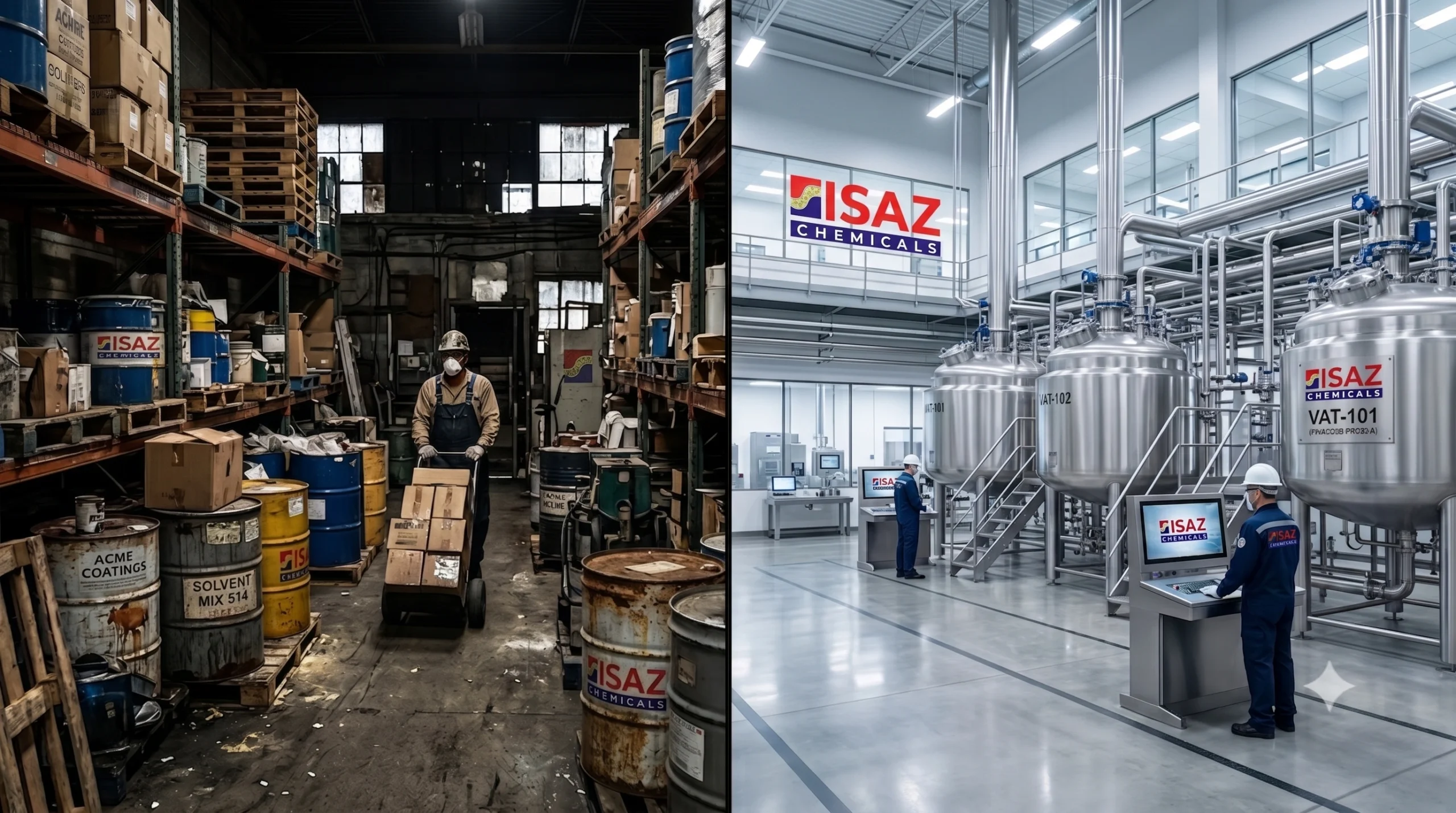
They were making everything in-house. Nitrocellulose handling, thinner blending, lacquer formulation, filling, the lot. On paper that felt like control. In practice it meant they were running a small chemical plant on the side of a paint business, and paying for all of it.
Strict Safety and Compliance Overhead
NC is a regulated, hazard-classed material. Storing and handling it in-house meant dedicated space, safety compliance, and insurance they’d rather not carry.
Poor Economies of Scale
Their blending volumes were too small to buy raw solvents at a good price. They were paying closer to retail than to bulk.
Drifting Batch Consistency
Batch consistency drifted. When your QC depends on two people who happen to know the recipe, a bad week shows up in the finished product.
The owner put it plainly when we first spoke: “I’m a paint company that got dragged into being a chemicals company, and I’m not good at the second part.”
Why Toll Manufacturing Was the Perfect Solution
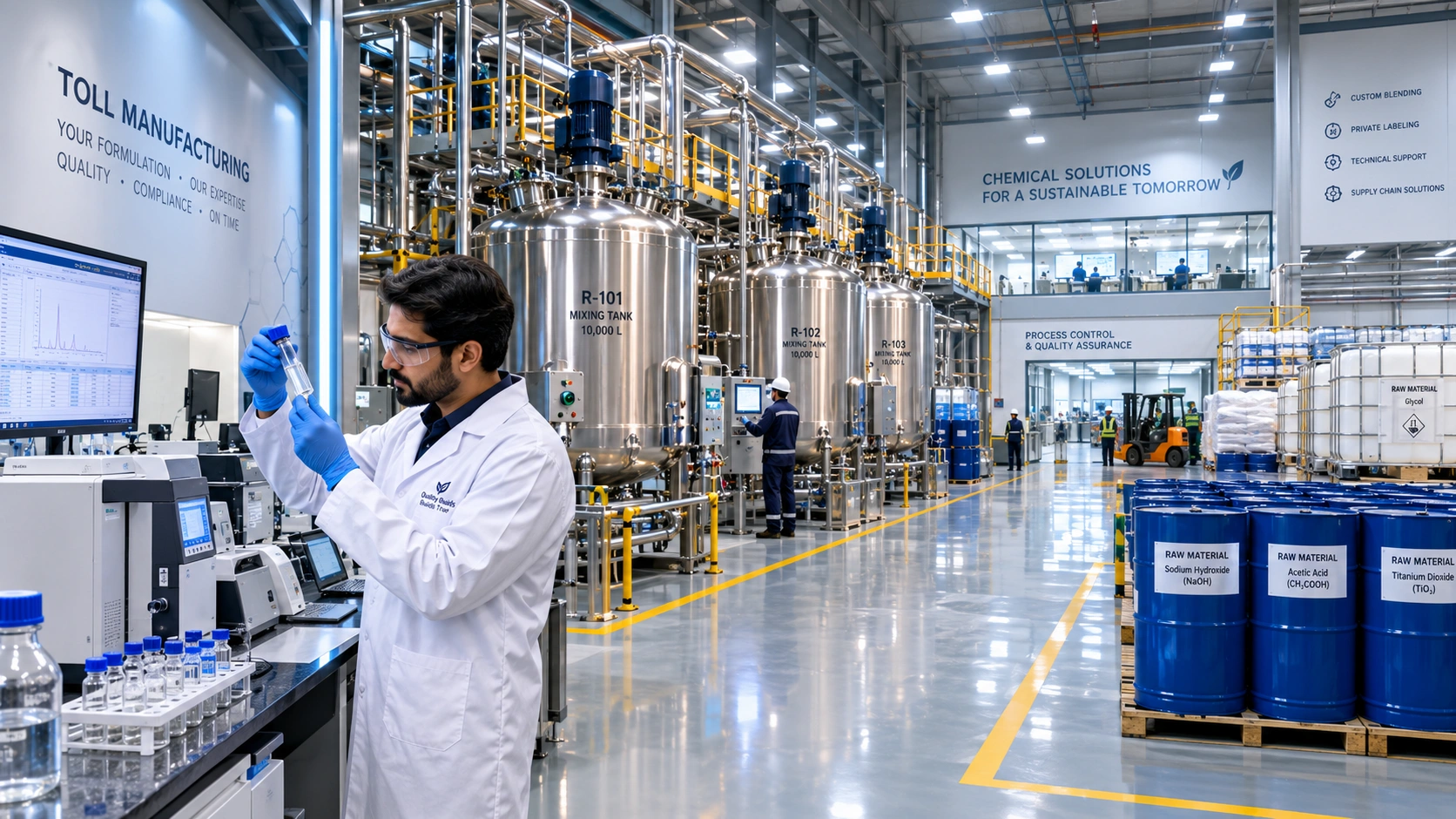
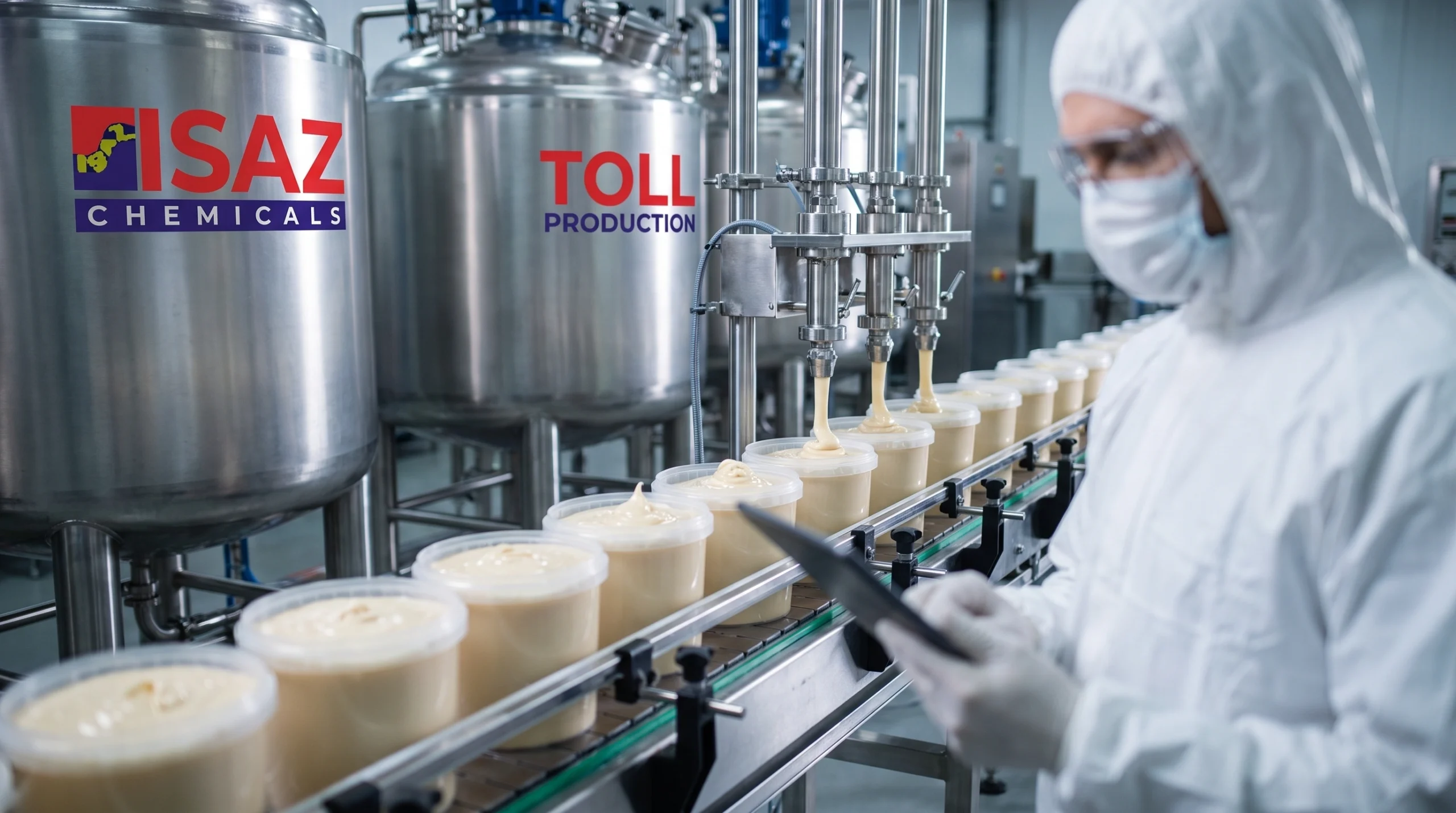
The concept of toll manufacturing is simple in principle. You own the formula and the brand. We run the production. You get finished or semi-finished product to your spec, and you skip the cost of owning the plant that makes it.
For this client, the appeal wasn’t just outsourcing. It was that we already run NC and lacquer production at volume. The compliance, the bulk solvent purchasing, the lab, the trained handlers, those are fixed costs for us that get spread across every client we produce for. They were paying for all of that alone. With us, they were sharing it.
What We Actually Did: A Step-by-Step Transition
We didn’t move everything at once. That usually backfires. We started with the part that was costing them the most pain: NC-based lacquer blending and thinner production.
The steps, roughly in order:
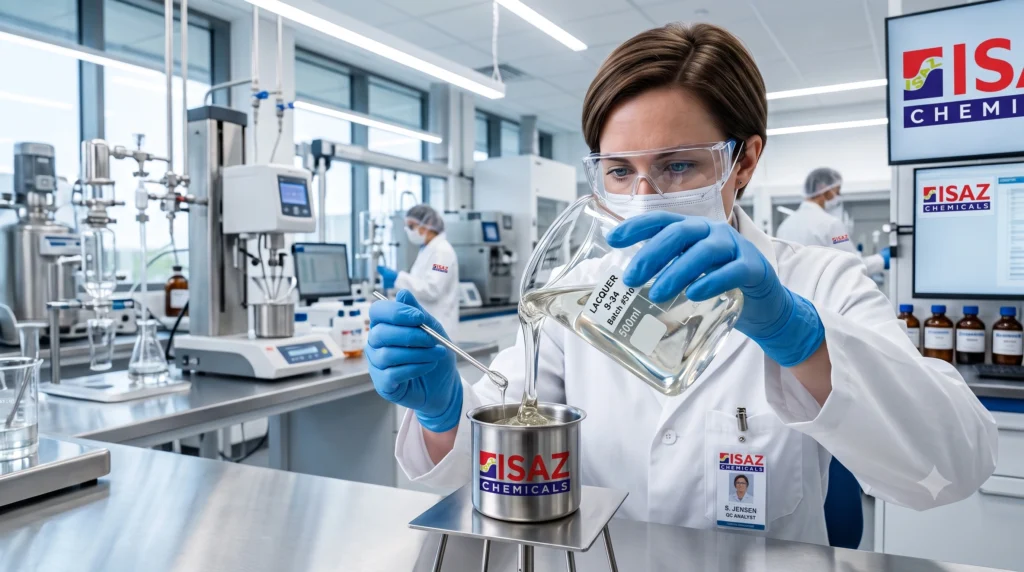
- We took their existing formulations and reproduced them in our lab at small scale, then matched the finish against their current product so their customers wouldn’t notice a switch.
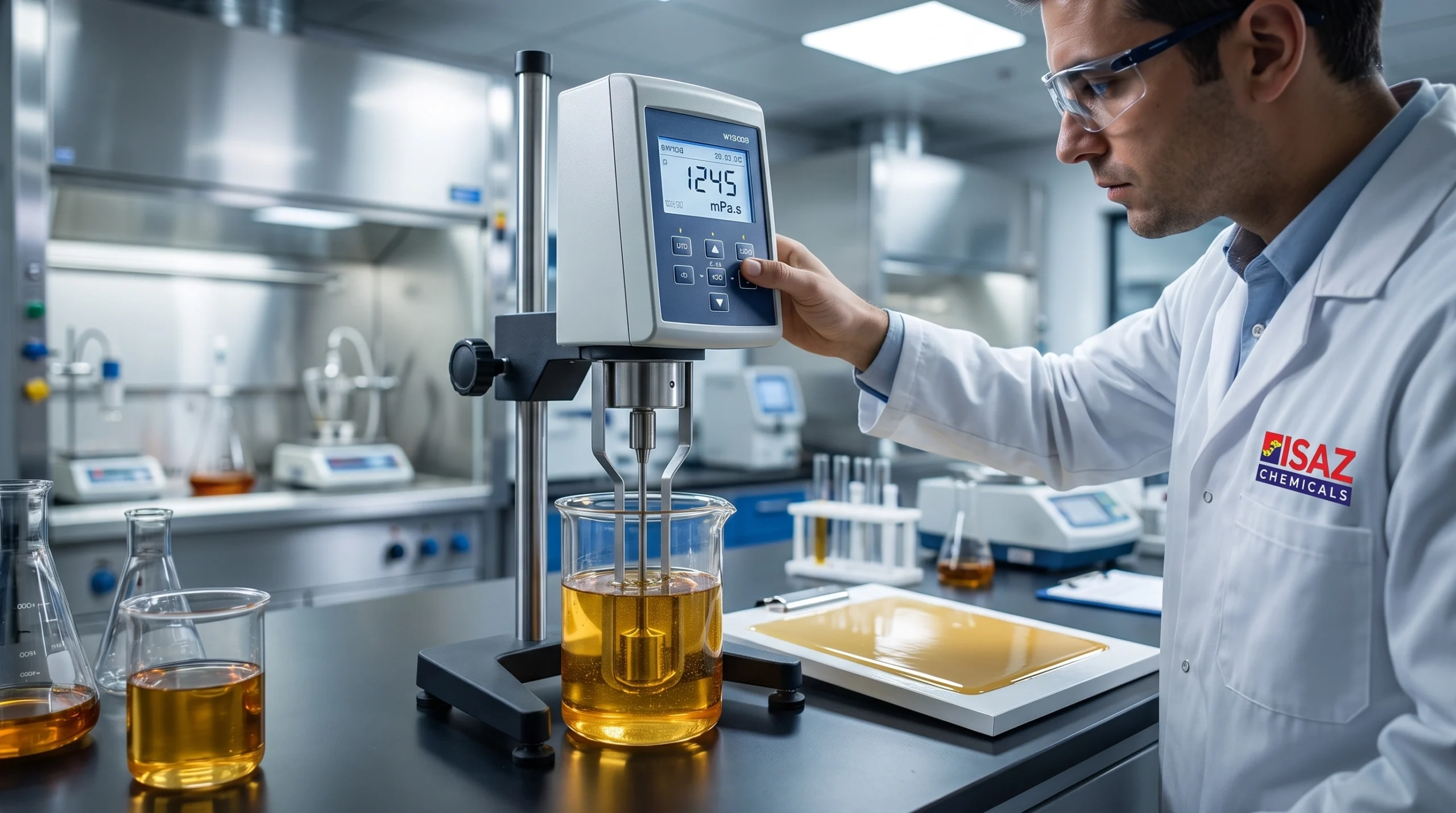
- We locked the spec: viscosity, solids content, dry time, gloss. Written down, signed off, and used as the QC standard for every batch after that.
- We moved to production batches under a toll agreement, with an agreed MOQ that suited their monthly demand rather than ours.
- They kept doing what they’re good at, which is selling paint and managing customers. We handled the chemistry.
The transition took about [8 weeks] from first sample to first full production run.
The Results: 18% Cost Savings and Leaner Operations
Here’s where it landed. Again, replace these with the real figures before this goes live:
- Per-litre production cost on the tolled products dropped by roughly [18%], mostly from bulk solvent pricing and shared overhead.
- They freed up [X square feet] of factory floor that had been tied up in NC storage and blending, which they’ve since turned over to filling and packing.
- Batch-to-batch variance on gloss and viscosity tightened, because every batch now runs against the same written spec in a controlled lab.
- They dropped the standalone insurance and safety overhead tied to in-house NC handling.
The cost saving was the headline, but the owner told us later that the part he valued most was boring: he stopped worrying about NC sitting in his warehouse.
What This Means If You’re in the Same Spot
If you’re a paint or coatings maker doing your own NC and lacquer work, the question worth asking isn’t “can we make this ourselves.” You clearly can. The question is whether making it yourself is cheaper than having someone who makes it at scale do it for you. For a lot of mid-sized manufacturers, once you add up storage, compliance, raw material pricing, and the risk, it isn’t.
That is the ultimate business case for toll manufacturing in the paint industry. You keep your formula and your brand. You hand off the expensive, regulated, capital-heavy part of the job.
If you want to see what your own numbers would look like, send us your current formulations and monthly volumes and we’ll put together a costed comparison. No obligation, and your formulas stay yours.